Supported the execution of enterprise system upgrades (Deltek Costpoint, Cognos BI, and Unanet Sub Time),
coordinating across planning, testing, cutover, and post-go-live phases to improve visbility, issue tracking, and delivery alignment.
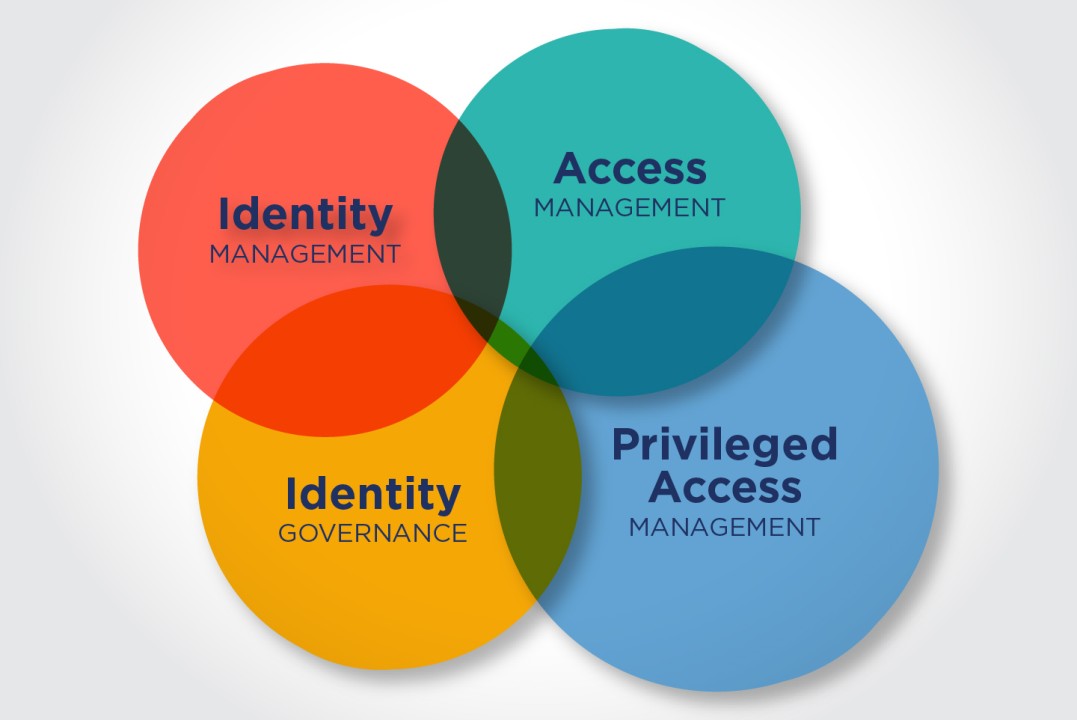
Supported the migration of the organization’s identity management system from Microsoft Identity Manager (MIM) to Cayosoft, improving access management processes and supporting businss continuity.
Supported a large-scale domain migration, ensuring continuity of vendor communication, billing processes, and contract operations during the transition.
Streamlined subcontractor onboarding by implementing a SharePoint-based workflow to track citizenship attestations, approvals, and onboarding status across teams.
Coordinated with a SME to automate the invoice approval and submission process, reducing manual effort, improving audit tracking, and minimizing payment delays.
Served as Deputy PM supporting the execution of enterprise system upgrades impacting 10,000+ employees, with a focus on testing coordination, cutover readiness, and post-go-live stabilization.
The Challenge
The upgrade required coordination across projects and teams, including technical, functional, and business stakeholders. There was ambiguity around:
Risks, issues, and dependencies
Testing environments
Upgrade and refresh dates
Cutover readiness and task ownership
Post-go-live stabilization efforts
What I Did
Supported test execution across three full test cycles
Managed test execution in Zephyr for 500+ scripts and built dashboards to provide real-time visibility into pass/fail/block status
Led daily triage meetings with technical and functional teams to address defects and unblock testing
Prioritized cutover readiness by separating critical defects from non-blocking issues
Assisted in tracking cutover readiness and execution activities
Coordinated tracking and resolution for 30+ issues impacting business operations during post-go-live
Captured lessons learned and process improvement opportunities
Highlighted gaps in script validation and documentation for future upgrades
Business Impact and Outcomes
Improved visibility into testing progress, enabling faster decision-making
Reduced delays by prioritizing cutover-critical defects
Increased accountability through structured triage and tracking
Managed resolution of post-upgrade issues impacting critical processes such as reporting and month-end payment activities
Supported on-time completion of testing cycles
Identity Management Platform Migration
Overview
Supported the migration from Microsoft Identity Manager (MIM) to Cayosoft, ensuring IT users maintained proper access and were successfully transitioned to a new identity management system.
Helped support user access, onboarding, and system adoption during the transition to a new platform.
The Challenge
The migration required transitioning users to a new identity management system while maintaining uninterrupted access and ensuring accuracy of permissions and security groups. Challenges included:
Maintaining uninterrupted access for 300+IT users during system transition
Ensuring users were assigned to correct security groups
Supporting onboarding of new users in a new system environment
Adapting to a new platform and processes during migration
What I Did
Tracked migration activities, dependencies, and user access impact
Validated that users were correctly synced and assigned to appropriate security groups
Supported onboarding of new users in Cayosoft, ensuring proper system access
Acted as a point of contact for access-related issues during and after migration
Helped troubleshoot and resolve user access issues as they arose
Business Impact and Outcomes
Maintained continuity of IT user access during system migration
Reduced risk of access issues through validation of user permissions and security groups
Improved onboarding consistency for new users in the updated system
Supported a smooth transition to a new identity management platform
Commercial to Defense Domain Migration
Overview
Supported the migration from @accenturefederal.com to @afs.com, ensuring continuity of vendor communication, billing processes, and contract-related operations during a large-scale domain transition.
The Challenge
The domain transition impacted how external vendors and internal stakeholders communicated, creating risk to billing, contract management, and ongoing operations if not properly coordinated. My role included:
Ensuring vendors could continue submitting invoices and communicating effectively
Ensure critical emails were not missed (invoices, payment inquiries, requests for signature)
Preventing disruption to contract-related communications
Managing updates to email domains across stakeholders and systems
Maintaining continuity of business operations during the transition
What I Did
Coordinated change management across internal users and external vendors during the domain transition
Implemented automated notifications to inform vendors of domain changes and updated contact information
Worked with vendors to update login credentials and ensure continued access to billing and support systems
Helped redirect vendors to the correct channels for invoice submission and communication
Acted as a point of contact for communication and access issues during the transition
Helped resolve disruptions related to email, contracts, and vendor communication
Business Impact and Outcomes
Maintained continuity of vendor billing and invoice submission during the domain transition
Reduced risk of access disruptions across users and vendors
Ensured critical communications related to contracts and payments were not missed
Supported uninterrupted business operations during a large-scale organizational transition
Automated Data Requests for Supplier T&E Reporting
Overview
Automated the monthly time and expense (T&E) reporting process for subcontractors, replacing a manual and time-consuming workflow with a centralized and scalable solution.
Designed a process that leveraged SharePoint and scheduled automation to ensure consistent vendor communication, improve reporting accuracy, and simplify ongoing maintenance as vendors and stakeholders changed.
The Challenge
To support monthly accruals, vendors were required to submit reports with actual hours/expenses and estimated remaining costs. This process was handled manually and became increasingly difficult to manage.
Manual emails sent to 20+ vendors each month
Customized messaging required for each vendor
New vendors were sometimes missed, creating risk to reporting accuracy
Frequent updates needed as vendors or managers changed
Limited visibility and inconsistent tracking of submissions
What I Did
Designed and implemented an automated workflow to distribute monthly T&E reporting requests
Built and maintained a SharePoint list to manage vendor contacts/distribution lists
Coordinated testing with a developer to ensure workflow functionality and accuracy
Maintained ongoing updates to reflect changes in vendors, managers, and reporting requirements
Business Impact and Outcomes
Eliminated manual outreach to 20+ vendors each month
Reduced risk of missed vendors through a centralized and automated process
Improved efficiency and reduced time spent on monthly reporting coordination
Increased accuracy of accrual reporting by ensuring consistent vendor submissions
Enhanced scalability and maintainability of the process as vendors and teams changed
Subcontractor Onboarding Process Improvement
Overview
Supported the implementation of a new subcontractor onboarding requirement where vendors were required to provide citizenship attestations prior to onboarding.
Introduced a centralized tracking and workflow solution to improve visibility, coordination, and timing across procurement, subcontracts, and PMO teams.
The Challenge
The introduction of a new compliance requirement created confusion and delays in the onboarding process due to lack of clarity, ownership, and tracking.
No visibility into where contractors were in the onboarding process
Unclear timing for when onboarding could begin
Misalignment between procurement, subcontracts, and PMO teams
Delays caused by dependency on citizenship attestation before onboarding
Inconsistent communication with vendors and internal stakeholders
What I Did
Designed and implemented a SharePoint-based tracking system to centralize onboarding status and requirements
Created a workflow to trigger the subcontracts team when a new contractor onboarding request was submitted
Enabled real-time tracking of key steps such as attestation status, purchase requisitions, and equipment requests
Coordinated across procurement, subcontracts, and PMO teams to ensure alignment on onboarding timelines
Tracked approvals and followed up on dependencies to prevent delays in meeting contract start dates
Developed standard operating procedures (SOPs) to clarify process steps, ownership, and timelines
Improved communication between teams to ensure timely updates and reduce process ambiguity
Business Impact and Outcomes
Improved visibility into onboarding status and dependencies across teams
Reduced delays by creating a structured and trackable onboarding workflow
Increased accountability by clearly defining ownership and process steps
Improved alignment between procurement, subcontracts, and PMO teams
Enabled more accurate contractor start dates through better process transparency
Automated Invoice Approval and Submission
Overview
Streamlined the invoice approval and submission process by replacing a manual, duplicative workflow with an automated solution that improved efficiency and audit tracking.
Collaborated with an automation specialist to design, test, and implement a workflow that reduced manual effort, improved approval visibility, and minimized delays in vendor payments.
The Challenge
Managers approved contractor time within vendor systems, but a second approval was required internally for audit purposes. This created a repetitive and manual process. Painpoints included:
Manual distribution of invoices to managers for approval
Frequent follow-ups required to obtain responses
Time-consuming tracking of approvals across emails
Risk of missed approvals and delayed payments
Lack of centralized visibility into invoice status
What I Did
Partnered with an automation specialist to support development of an invoice approval workflow
Provided business requirements, including form structure, data fields, and approval routing
Recommended enhancements such as multi-recipient notifications and automated reminders
Coordinated testing to validate approval and rejection scenarios
Identified and resolved workflow issues, including errors caused by missing or improperly formatted data
Supported ongoing troubleshooting to ensure process reliability
Business Impact and Outcomes
Reduced manual effort associated with invoice approval and follow-ups
Improved tracking and visibility of invoice approval status
Decreased risk of missed approvals and delayed vendor payments
Strengthened audit readiness through a more structured approval process
Increased process efficiency and reliability through automation